
Carpal Tunnel Syndrome
CTS often develops due to repetitive hand movements, prolonged wrist strain, medical conditions such as diabetes or arthritis, or inflammation around the wrist area. Early diagnosis and timely treatment are important to prevent worsening symptoms and long-term nerve damage.
At Clinic, our experienced orthopaedic specialists provide comprehensive evaluation and advanced treatment options for Carpal Tunnel Syndrome. From non-surgical therapies and lifestyle guidance to minimally invasive procedures, we focus on delivering personalized care to help patients regain comfort, mobility, and quality of life.
Read further to understand Carpal Tunnel Syndrome in detail, including its causes, symptoms, diagnosis, and the most effective treatment options available.
What is Carpal Tunnel Syndrome?
The median nerve, which travels through a small opening in the wrist, is impacted by CTS. The median nerve helps regulate blood pressure and heart rate and is in charge of communicating with the muscles in your hand and fingers. This vital nerve may swell if you have CTS as a result of tissue compression or fluid accumulation.
Carpal tunnel syndrome may cause pain and numbness in one or both hands (but not always). In severe cases, it may cause weakness on one side of your body or even partial loss of feeling in part of your hand (paraesthesia).
What are Carpal Tunnel Syndrome’s Signs and Symptoms?
Carpal Tunnel Syndrome (CTS) can affect daily activities and gradually worsen if left untreated. Some of the most common symptoms include:
- Pain, numbness, and tingling in the thumb, index finger, middle finger, and part of the ring finger
- Weak or painful grip strength, making it difficult to hold objects securely
- Pain in the wrist and forearm, which may sometimes radiate further up the arm
- Burning or “pins and needles” sensations in the hand and fingers
- Symptoms that become more severe at night and may disturb sleep
- Increased discomfort while performing activities such as driving, holding a phone, lifting objects, or keeping the arm raised for long periods
In many cases, the symptoms start gradually and become more frequent over time. Seeking timely medical attention can help prevent further nerve damage and improve hand function.
If you are experiencing any of these symptoms, consult the specialists at Clinic for expert Carpal Tunnel Syndrome treatment in Delhi NCR. Our team is dedicated to providing accurate diagnosis, advanced treatment options, and personalized care to help you recover comfortably and effectively.
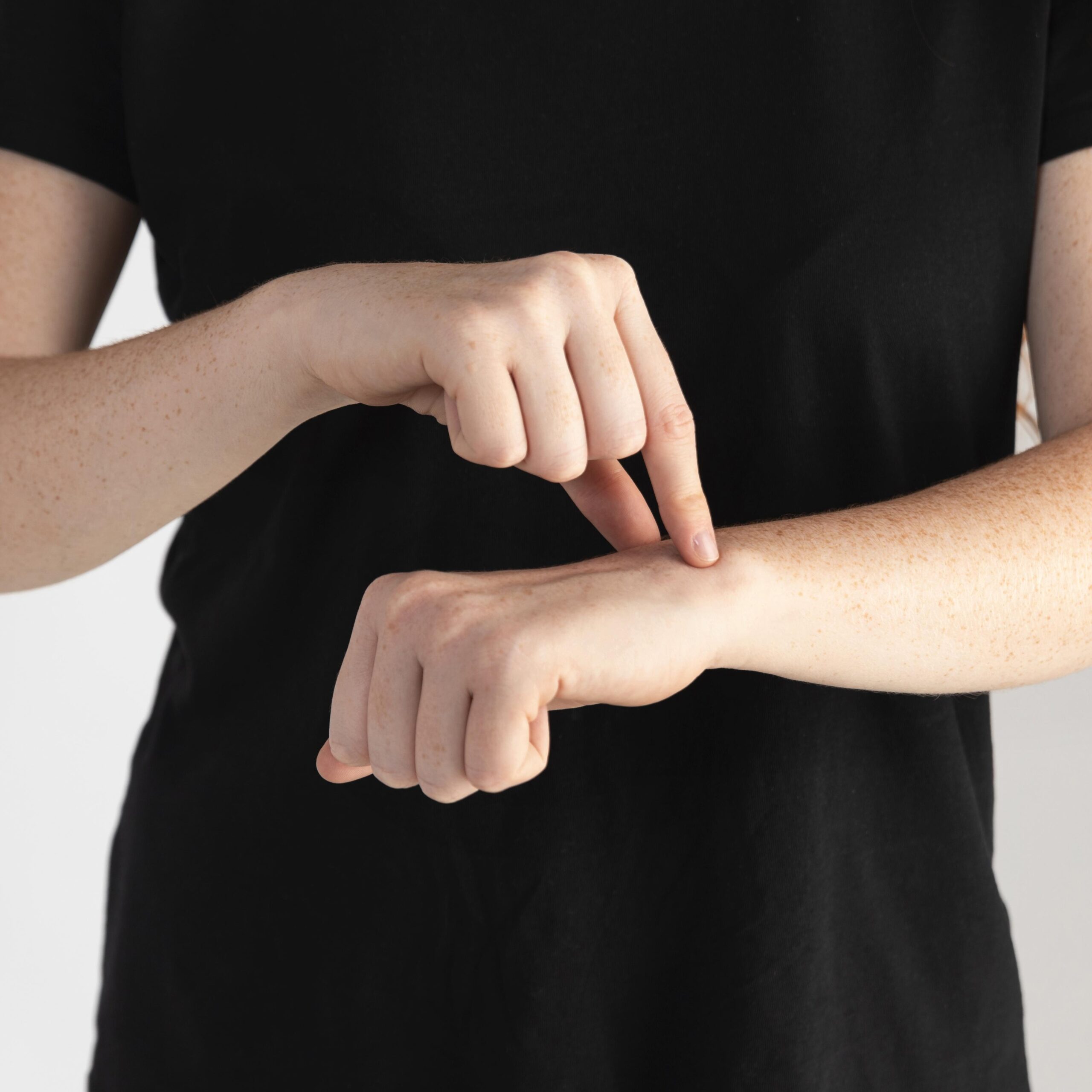
What causes Carpal Tunnel Syndrome?
Carpal Tunnel Syndrome (CTS) occurs when the median nerve becomes compressed as it passes through the carpal tunnel — a narrow passageway in the wrist formed by bones, ligaments, tendons, and soft tissues. This tunnel also contains blood vessels and tendons that help control hand movement.
The median nerve is responsible for sensation in the thumb, index finger, middle finger, and part of the ring finger. It also controls several small muscles in the hand that help with gripping, holding objects, and finger movements.
When excessive pressure is placed on the median nerve, it can interfere with normal nerve function and lead to symptoms such as pain, numbness, tingling, and weakness in the hand and wrist. This pressure may develop due to:
- Repetitive hand or wrist movements
- Wrist injuries or fractures
- Sports activities involving repeated wrist motion, such as tennis or golf
- Swelling or inflammation of surrounding tissues
- Medical conditions such as arthritis, diabetes, or thyroid disorders
- Prolonged use of keyboards, tools, or vibrating equipment
If left untreated, the condition may gradually worsen and affect hand strength and daily activities. Early diagnosis and proper treatment can help relieve symptoms and prevent long-term nerve damage.
At Clinic, our orthopaedic specialists provide advanced diagnosis and personalized treatment plans for effective management of Carpal Tunnel Syndrome in Delhi NCR.
How is Carpal Tunnel Syndrome diagnosed at Clinic?
At Clinic, our experienced orthopaedic specialists provide accurate and professional diagnosis for Carpal Tunnel Syndrome (CTS) using a detailed clinical evaluation and advanced diagnostic methods.
The diagnosis typically begins with a discussion about your symptoms, medical history, daily activities, and any previous injuries or health conditions that may contribute to nerve compression.
During the physical examination, the doctor carefully evaluates the hands, wrists, and fingers for signs commonly associated with CTS, including:
- Numbness or tingling in the hand and fingers
- Pain in the wrist, palm, or forearm
- Weak grip strength or difficulty holding objects
- Reduced sensation in the thumb, index, and middle fingers
- Discomfort during wrist movements such as twisting, gripping, or lifting
- Tingling sensations triggered by specific hand positions or movements
The specialist may also perform certain clinical tests to assess nerve function and identify pressure on the median nerve. In some cases, additional investigations such as nerve conduction studies or imaging tests may be recommended to confirm the diagnosis and determine the severity of the condition.
Early and accurate diagnosis plays a crucial role in preventing long-term nerve damage and ensuring effective treatment outcomes.
Trigger Finger
What is a Trigger Finger?
Trigger Finger is a common and treatable condition. It is a painful condition when your fingers get stuck in a bent position, and you feel the sensation of locking and catching when you bend or straighten the finger. It causes pain and stiffness in your fingers and can occur either in one of the fingers or in multiple fingers and even in both hands at the same time.
This condition of the trigger finger is also known as stenosing tenosynovitis. It is more likely to occur in women and people with diabetes. Also, when the same condition occurs in your thumb, it is called Trigger Thumb.
A trigger finger occurs when inflammation in the affected finger causes the space to narrow within the sheath surrounded by the tendon. It happens when one of the following situations occurs:
The tendon enlarges
The lining increases its thickness
The pulley becomes thicker
At Clinic, the best orthopaedic hospital in Gurgaon, we have specialized doctors who have 20+ years of experience in the treatment of Trigger Finger Conditions. With our approach of using the latest tech trends, we diagnose Trigger Finger Conditions and provide trigger finger treatment physiotherapy for a speedy recovery.
Causes of Trigger Finger
According to the specialists at Clinic, several factors can increase the risk of developing Trigger Finger. The condition is commonly associated with inflammation and repeated strain on the tendons of the fingers and thumb.
Common causes and risk factors include:
- Medical conditions such as osteoarthritis, rheumatoid arthritis, gout, and diabetes
- Jobs or activities that involve repetitive hand movements, prolonged gripping, or forceful use of the fingers
- Frequent use of tools, machinery, or activities that place continuous stress on the hand tendons
- Individuals between the ages of 40 and 60 years, who are more commonly affected by the condition
- Higher prevalence among women compared to men
Identifying these risk factors early can help in timely diagnosis and effective treatment, preventing worsening symptoms and improving hand mobility.
What are the symptoms of a Trigger Finger Injury?
Our specialists at Clinic recommend seeking medical attention if you experience any of the following symptoms of Trigger Finger:
- Pain and stiffness in the affected finger
- Clicking, popping, or snapping sensations during finger movement
- Difficulty straightening the finger smoothly
- Finger locking in a bent position
- Tenderness or discomfort around the finger joints
- A small bump or swelling at the base of the affected finger or thumb
- Increased stiffness, especially in the morning hours
Early diagnosis and treatment can help prevent worsening symptoms, reduce discomfort, and restore normal finger movement effectively.
How can Trigger fingers be diagnosed?
At Clinic, the diagnosis of Trigger Finger is primarily based on your symptoms and a detailed physical examination conducted by our experienced orthopaedic specialists. In most cases, X-rays or laboratory tests are not required to confirm the condition.
During the examination, the specialist carefully evaluates the affected finger and hand to identify signs of tendon inflammation and movement restriction. The assessment may include checking:
- The level of thickening in the tendon sheath
- Tenderness or pain around the flexor tendon sheath
- Clicking, snapping, or locking sensations during finger movement
- The severity of triggering while bending or straightening the finger
- Finger stiffness and range of motion
This clinical evaluation helps determine the severity of the condition and allows our doctors to create a personalized treatment plan for faster pain relief and improved finger movement.
What are the Treatment Options for Trigger Finger?
At Clinic, our specialists provide personalized Trigger Finger treatment based on the severity of your symptoms and the level of tendon involvement. We focus on relieving pain, restoring finger movement, and preventing recurrence through both non-surgical and surgical treatment options.
Non-Surgical Treatment
In most cases, Trigger Finger can be effectively managed with conservative treatment methods. Our specialists may recommend:
Rest
Avoiding repetitive gripping activities and reducing strain on the hands and fingers can help decrease inflammation and allow the tendon to heal naturally.
Splinting
We provide specially designed splints to keep the affected finger in a straight and stable position, especially during sleep. Wearing a splint at night for several weeks helps reduce locking, swelling, and tendon irritation.
Finger Exercises
Gentle stretching and mobility exercises are recommended to improve finger flexibility, reduce stiffness, and restore smooth movement of the tendon.
Steroid Injections
For moderate to severe inflammation, corticosteroid injections may be administered into the tendon sheath to reduce swelling and improve finger movement. These injections can provide significant relief, although they may be less effective in diabetic patients.
Medications
Nonsteroidal anti-inflammatory drugs (NSAIDs), such as ibuprofen or naproxen, may be advised to reduce pain and inflammation during the early stages of the condition.
Surgical Treatment
Surgical treatment is usually recommended when symptoms become severe or when non-surgical methods fail to provide adequate relief.
Percutaneous Release Procedure
In this minimally invasive procedure, the affected area is numbed, and a fine needle is inserted near the tendon to release the constricted portion restricting tendon movement. Ultrasound guidance may be used to improve precision and avoid injury to nearby nerves and tissues. This procedure helps restore smooth finger movement with minimal recovery time.
Trigger Finger Surgery
In advanced cases, our orthopaedic surgeons perform a minor surgical procedure involving a small incision near the base of the affected finger. The tight portion of the tendon sheath (A1 pulley) is carefully released, allowing the flexor tendon to glide freely and restore normal finger movement.
At Clinic, we combine advanced techniques, experienced specialists, and patient-focused care to ensure effective treatment and faster recovery for Trigger Finger conditions.
Surgery Recovery
At Clinic, we encourage patients to gently move their fingers after surgery to support recovery and improve flexibility. However, complete healing may take time depending on the severity of the condition and the type of treatment performed.
It is normal to experience mild soreness, swelling, or stiffness in the palm and fingers after the procedure. While finger movement often improves soon after treatment, complete recovery and reduction in stiffness may take several weeks or even months.
To support a smooth and faster recovery, our specialists may recommend:
- Anti-inflammatory medications to help manage pain and swelling
- Trigger finger physiotherapy exercises to improve mobility and restore strength
- Wearing a splint for several weeks to support proper healing
- Keeping the hand elevated above heart level to reduce swelling and discomfort
- Gentle finger movement exercises as advised by the doctor
Trigger Finger is a very common condition, and with timely treatment, most patients experience excellent recovery and improved hand function. Our experienced orthopaedic specialists focus on advanced treatment methods and patient-centered care to ensure the best possible outcomes.
If you are experiencing symptoms such as finger locking, pain, stiffness, or difficulty moving your fingers, schedule a consultation with the experts at Clinic for accurate diagnosis and effective treatment.