
Knee Replacement
One of the most common causes of chronic knee pain is osteoarthritis, a degenerative joint condition that gradually wears down the cartilage cushioning the knee joint. Osteoarthritis commonly develops after the age of 40–50 years and may lead to:
- Joint pain and stiffness
- Swelling and inflammation
- Reduced flexibility and movement
- Difficulty standing or walking for long periods
- Grinding sensation within the joint
When severe arthritis or knee injury damages the joint extensively and conservative treatments no longer provide relief, knee replacement surgery — also known as knee arthroplasty — may be recommended.
What is Knee Replacement Surgery?
Knee replacement surgery is a procedure in which the damaged surfaces of the knee joint are replaced with specially designed metal and plastic components. These artificial implants help restore smooth joint movement, reduce pain, and improve overall knee function.
The procedure may benefit individuals suffering from:
- Severe osteoarthritis
- Rheumatoid arthritis
- Advanced knee joint degeneration
- Major knee injuries
- Chronic knee pain affecting daily activities
Since the first successful artificial knee replacement procedure was performed in 1968, advancements in surgical techniques and implant technology have made knee replacement one of the most successful and reliable orthopaedic procedures available today.
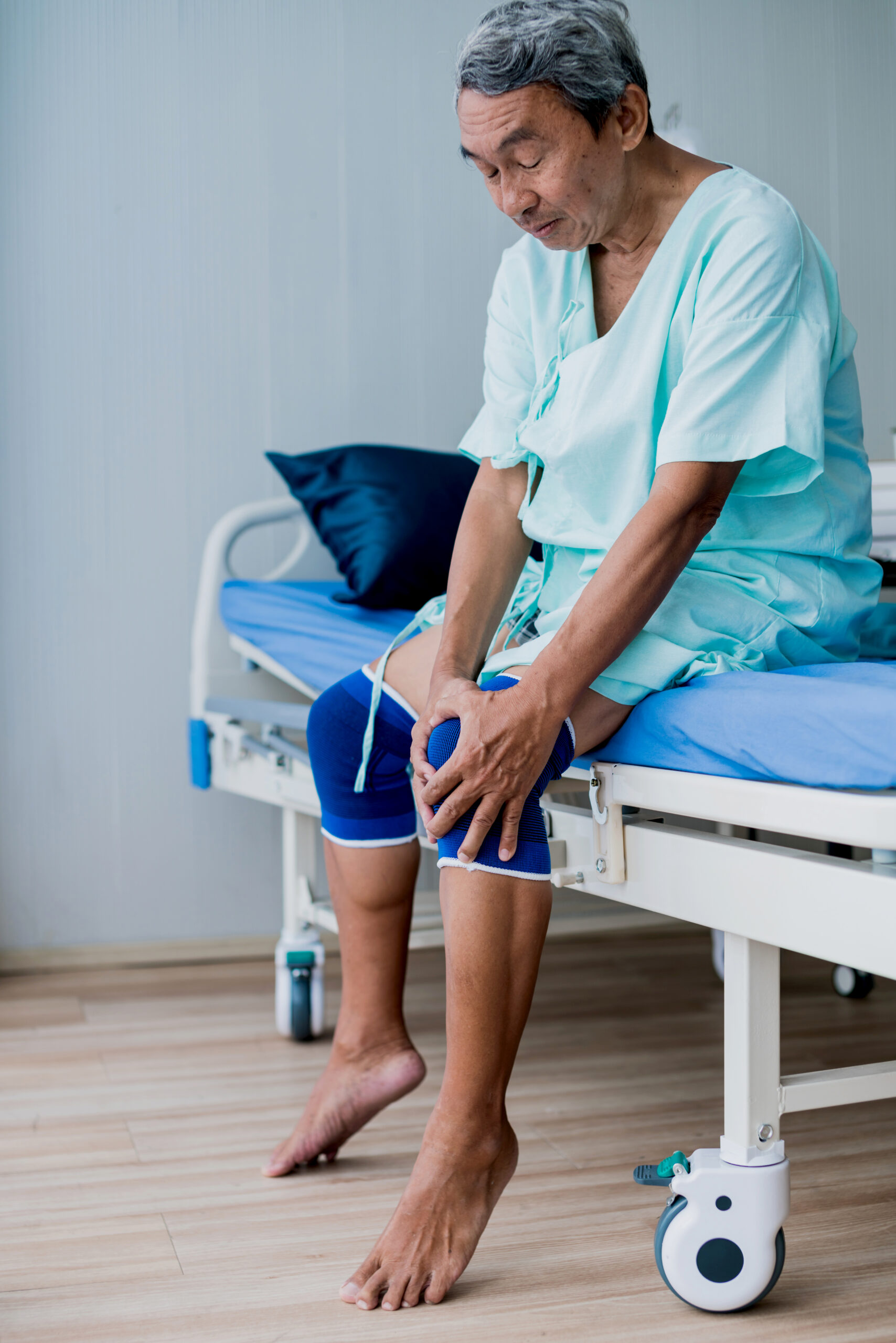
When is Knee Replacement Recommended?
Doctors may consider knee replacement surgery when:
- Medications and physiotherapy no longer provide relief
- Knee pain interferes with daily activities
- Walking or climbing stairs becomes difficult
- Joint stiffness severely limits movement
- Sleep and quality of life are affected due to pain
At clinic, advanced knee replacement treatment and comprehensive orthopaedic care are provided using modern surgical techniques, personalized rehabilitation plans, and patient-focused recovery programs. Under the expertise of Dr. Debashish Chanda, patients receive complete guidance and support throughout every stage of knee replacement treatment — from diagnosis and surgical planning to rehabilitation and long-term joint care.
Knee Analysis
The knee joint is lined with a soft tissue layer known as the synovial membrane, which produces fluid that helps lubricate and cushion the joint. In a healthy knee, this fluid reduces friction between the cartilage surfaces and allows smooth, pain-free movement.
However, when the knee joint is affected by injury, arthritis, or other degenerative conditions, the normal balance of the joint is disrupted. This can lead to:
- Pain and inflammation
- Weakness in the surrounding muscles
- Reduced mobility and flexibility
- Difficulty performing daily activities
One of the most common causes of chronic knee pain is osteoarthritis, a condition in which the cartilage cushioning the joints gradually wears away. As the cartilage deteriorates, the bones may begin rubbing against each other, leading to stiffness, swelling, and pain during movement.
Degenerative joint disease can make routine activities such as:
- Walking
- Climbing stairs
- Standing for long periods
- Sitting and getting up
increasingly difficult and uncomfortable. In severe cases, the knee may become unstable or feel as though it may “give way” while walking.
Knee joint damage can also result from:
- Fractures or injuries
- Torn cartilage (meniscus injuries)
- Ligament tears
- Sports injuries
- Rheumatoid arthritis and other inflammatory conditions
When medications, physiotherapy, injections, and other non-surgical treatments fail to provide relief, knee replacement surgery may be recommended to restore mobility and improve quality of life.
Knee replacement surgery involves replacing the damaged portions of the knee joint with artificial components designed to reduce pain, improve joint stability, and restore smoother movement.
At clinic, advanced knee replacement procedures and comprehensive orthopaedic care are provided using modern treatment techniques and personalized rehabilitation programs. Under the guidance of Dr. Debashish Chanda, patients receive complete evaluation, treatment planning, and recovery support for long-term joint health and mobility.
Knee Revision
Introduction
Revision knee replacement surgery is a specialized procedure performed when a previously implanted knee replacement prosthesis fails or develops complications over time. In this procedure, the old implant is removed and replaced with a new prosthetic component to restore knee function, stability, and mobility.
A revision knee replacement may involve replacing:
- The entire knee prosthesis, or
- Only specific components of the implant, depending on the condition of the joint and surrounding tissues
Because revision surgery is more complex than primary knee replacement, it requires:
- Detailed surgical planning
- Advanced imaging and evaluation
- Specialized implants and surgical instruments
- Highly refined orthopaedic surgical expertise
Why is Revision Knee Replacement Needed?
Revision surgery may become necessary due to several reasons, including:
- Wear and tear of the prosthetic implant over time
- Loosening or instability of the implant
- Infection around the artificial joint
- Fractures around the implant
- Implant failure or damage
- Persistent pain or reduced knee function
In many older patients, knee replacement implants may last for the rest of their lives. However, younger or highly active individuals may place greater stress on the artificial joint, increasing the likelihood of implant wear or deterioration over time.
Signs That May Indicate Implant Failure
Patients experiencing complications after knee replacement surgery may notice:
- Persistent or worsening knee pain
- Swelling and stiffness
- Difficulty walking
- Knee instability or looseness
- Reduced range of motion
- Signs of infection such as redness or fever
Timely evaluation is important to prevent further joint damage and improve long-term outcomes.
At clinic, advanced revision knee replacement procedures are performed using modern surgical techniques and comprehensive rehabilitation programs. Under the expertise of Dr. Debashish Chanda, patients receive detailed assessment, customized surgical planning, and complete post-operative care to help restore mobility and improve quality of life.
Knee revision surgery
Although knee replacement surgery is highly successful in most patients, certain complications may occasionally require revision knee replacement surgery. One of the most serious complications is infection, which occurs in approximately 1–2% of patients undergoing total knee replacement. In such cases, revision surgery may be necessary to remove the infected implant, treat the infection, and restore proper knee function.
Common Reasons for Revision Knee Replacement Surgery
Infection
Infection around the artificial knee joint can cause:
- Severe pain and swelling
- Redness or warmth around the knee
- Fever or drainage from the surgical site
- Difficulty walking or moving the knee
Early diagnosis and treatment are essential to prevent further complications and damage to the joint.
Knee Instability
Instability occurs when the soft tissues surrounding the knee joint are unable to provide adequate support and balance. Patients may experience:
- Difficulty standing or walking
- Feeling that the knee may “give way”
- Loss of confidence while walking
- Reduced joint control and stability
This may result from ligament weakness, implant positioning issues, or wear of the prosthetic components.
Stiffness and Scar Tissue Formation
In some patients, excessive scar tissue may develop around the knee joint after surgery, limiting movement and causing stiffness. This condition can reduce the knee’s range of motion and interfere with daily activities such as walking, climbing stairs, or bending the knee comfortably.
Implant Wear and Loosening
Over time, friction and repeated movement may cause the artificial knee components to wear out, loosen, or even break. This can lead to:
- Chronic knee pain
- Swelling and discomfort
- Reduced mobility
- Joint instability
Younger and more physically active patients may have a higher risk of long-term implant wear due to increased stress on the prosthetic joint.
At clinic, advanced evaluation and revision knee replacement procedures are provided using modern surgical techniques and personalized rehabilitation programs. Under the expertise of Dr. Debashish Chanda, patients receive comprehensive care focused on restoring joint stability, mobility, and long-term comfort.
What to anticipate?
Before Knee Replacement Surgery
Knee replacement surgery is usually performed under anesthesia to ensure patient comfort during the procedure. Depending on the patient’s condition and preference, the surgery may be carried out using:
- General anesthesia, where the patient remains asleep during the procedure
- Spinal anesthesia, where the lower part of the body is numbed while the patient remains awake
To reduce the risk of infection, intravenous antibiotics are commonly administered before, during, and after surgery. In some cases, a nerve block may also be used to temporarily numb the knee area and help control post-operative pain.
During the Procedure
During knee replacement surgery, the surgeon carefully examines the knee joint and removes the damaged cartilage and bone surfaces. An incision is made over the knee to access the joint, and the kneecap is gently moved aside to allow proper visualization.
The damaged portions of the knee joint are then replaced with specially designed metal and plastic prosthetic components that help restore smooth movement and stability.
Before completing the procedure, the surgeon checks:
- Knee alignment
- Joint stability
- Range of motion and flexibility
The incision is then closed carefully, and the entire procedure generally takes around two hours.
After Knee Replacement Surgery
After surgery, patients are moved to a recovery area for close monitoring. Recovery time may vary from person to person depending on overall health, age, and physical condition.
Pain and discomfort after surgery are usually managed with prescribed medications. Early movement and rehabilitation play a very important role in recovery and long-term success.
Post-Surgical Care May Include:
- Foot and ankle exercises to improve blood circulation
- Breathing exercises to support recovery
- Gradual increase in physical activity
- Blood-thinning medications if required
- Compression stockings or support devices to reduce the risk of blood clots and swelling
Physiotherapy and Rehabilitation
Physical therapy is a crucial part of recovery after knee replacement surgery. A physiotherapist may recommend:
- Knee strengthening exercises
- Mobility and walking training
- Flexibility and balance exercises
- Rehabilitation programs tailored to the patient’s recovery stage
Patients may continue physiotherapy either at home or at a rehabilitation center after discharge from the hospital.
Following medical advice related to:
- Wound care
- Nutrition
- Exercise routines
- Activity restrictions
can significantly improve recovery outcomes and help restore knee function more effectively.
At clinic, advanced knee replacement procedures and comprehensive orthopaedic care are provided using modern surgical techniques and personalized rehabilitation programs. Under the guidance of experienced orthopaedic specialists including Dr. Debashish Chanda, patients receive complete support throughout every stage of treatment — from diagnosis and surgery to rehabilitation and long-term joint care.
Knee Arthroscopy
Introduction
Knee arthroscopy is a minimally invasive procedure used to diagnose and treat various knee joint conditions without the need for large surgical incisions. This advanced technique allows orthopaedic surgeons to closely examine the inside of the knee joint using a small camera device known as an arthroscope.
The arthroscope is inserted through tiny incisions around the knee, allowing the surgeon to view detailed images of the:
- Cartilage
- Ligaments
- Meniscus
- Tendons
- Other soft tissues inside the knee joint
Knee arthroscopy is commonly recommended for the diagnosis and treatment of conditions such as:
- Meniscus tears
- Ligament injuries
- Cartilage damage
- Knee swelling or inflammation
- Sports injuries
- Joint stiffness or unexplained knee pain
Since the procedure is minimally invasive, it usually offers several advantages over traditional open surgery, including:
- Smaller incisions
- Reduced pain and scarring
- Faster recovery time
- Lower risk of complications
- Shorter hospital stay
The procedure is typically performed under anesthesia, after which the surgeon inserts the arthroscope through small openings around the knee. Specialized instruments may also be used during the procedure to repair or remove damaged tissues if required. Once the examination or treatment is complete, the small incisions are closed with stitches or dressings.
Although knee arthroscopy is considered a safe and effective procedure, it should always be performed by an experienced orthopaedic specialist to ensure accurate diagnosis and successful treatment outcomes.
At clinic, advanced knee arthroscopy procedures are performed using modern technology and minimally invasive techniques to help patients recover faster and regain better knee function and mobility.
When is the procedure recommended?
Knee arthroscopy is commonly recommended for patients suffering from meniscus tears, ligament injuries, cartilage damage, and other knee tissue-related conditions. This minimally invasive procedure helps diagnose and treat various knee problems with greater precision and faster recovery.
Arthroscopy is often used for the treatment of partial or acute ligament tears. It is also performed in certain knee replacement procedures and is effective in managing conditions such as patellar disorders and knee joint infections (knee sepsis). In addition, damaged cartilage can be trimmed or reconstructed through arthroscopic surgery.
Knee replacement surgery is a major orthopedic procedure and should always be performed under the guidance of an experienced specialist. Consulting an expert Orthopedic Surgeon is essential to ensure accurate diagnosis, proper treatment planning, and successful recovery.
Preparations Before Knee Arthroscopy
Before proceeding with the surgery, the orthopedic specialist conducts a detailed evaluation to assess the patient’s overall health and the severity of the knee condition. This may include physical examinations, imaging tests such as X-rays or MRI scans, and routine medical investigations to ensure the procedure can be performed safely and effectively.
Medical Evaluations
Pre-Surgery Evaluation
Before knee arthroscopy or knee replacement surgery, patients are required to undergo a detailed medical evaluation. This is an essential step to ensure that the procedure can be performed safely and successfully.
Your doctor may recommend several diagnostic tests, including blood investigations and an electrocardiogram (ECG), to assess your overall health condition. Patients with medical conditions such as diabetes or high blood pressure may need additional tests and proper stabilization of their condition before surgery.
In many cases, the surgeon may also ask for medical clearance from your regular physician. Some hospitals or clinics conduct all the required evaluations in-house so the orthopedic specialist can carefully review the reports before proceeding.
If any abnormality or medical concern is detected in the test results, the surgery may be postponed until the condition is managed appropriately.
Hospital Admission
Patients are generally admitted to the hospital a day before the surgery. During this time, the medical team monitors vital signs such as blood pressure, pulse rate, and body temperature. Necessary medications and supplements may also be provided as part of the preparation process.
It is important to inform your doctor about any medications, supplements, or ongoing treatments you are currently taking. Intravenous (IV) fluids may be administered, and patients are usually given specific instructions regarding eating and drinking before surgery.
Anaesthesia for Knee Arthroscopy
The type of anaesthesia used during knee arthroscopy depends on the patient’s medical condition, overall health, and the complexity of the procedure. Before surgery, the anaesthesia team reviews your medical history and discusses the most suitable option with you.
The commonly used types of anaesthesia include:
- Local Anaesthesia: Numbs only the knee area during the procedure.
- Regional Anaesthesia: Numbs the lower half of the body while the patient remains awake.
- General Anaesthesia: Puts the patient completely asleep throughout the surgery.
Your doctor and anaesthesia specialist will choose the safest and most effective option to ensure maximum comfort during the procedure.
Surgical procedure
Patient Positioning Before Surgery
Before the procedure begins, the surgical team carefully positions the patient to ensure comfort, stability, and safe access to the knee joint throughout the surgery. Sterile surgical drapes are placed to cover the body, exposing only the knee area being treated.
The surgical site is thoroughly cleaned with antiseptic solutions to minimize the risk of infection. Special positioning devices may also be used to prevent unnecessary movement during the procedure.
Knee Arthroscopy Procedure
During knee arthroscopy, the surgeon makes a few small incisions, known as portals, around the knee joint. Through these portals, an arthroscope — a small camera attached to a thin instrument — is inserted to provide a clear view of the inside of the knee.
A sterile fluid is introduced into the joint to improve visibility by clearing cloudy fluid and expanding the space within the knee. The live images from the arthroscope help the surgeon closely examine damaged tissues, cartilage, ligaments, or meniscus injuries.
Additional small portals may be created to insert specialized surgical instruments used for trimming, repairing, or reconstructing damaged tissues. Knee arthroscopy is highly effective for treating meniscus tears, ligament injuries, cartilage damage, and certain knee cap-related conditions.
An experienced Arthroscopy Surgeon follows every step of the procedure with precision to ensure safe and successful surgical outcomes.
Closure and Recovery
The entire arthroscopic procedure generally takes about one hour, depending on the complexity of the condition being treated. Once the surgery is completed, the small incisions are closed using stitches or adhesive steri-strips.
The knee is then covered with a sterile bandage, and detailed post-operative care instructions are provided to the patient. Recovery after knee arthroscopy is usually quicker compared to traditional open surgery, and many patients resume routine activities within a few days to weeks, depending on the treatment performed.
Doctors may prescribe medications, pain management measures, and dietary guidelines to support healing and reduce discomfort.
Patients should immediately consult their surgeon if they experience symptoms such as:
- Excessive swelling
- Severe pain
- Persistent bleeding
- Signs of infection
- Bruising that worsens over time
- Blood clot symptoms
Timely medical attention helps prevent complications and supports a smoother recovery process.
ACL Repair
Introduction
Anterior Cruciate Ligament (ACL) Injury
The Anterior Cruciate Ligament (ACL) is one of the four major ligaments of the knee joint that connects the thigh bone to the shin bone. It plays a vital role in maintaining knee stability, balance, and controlled movement during physical activities such as walking, running, jumping, and sudden directional changes.
An ACL injury occurs when the ligament is stretched, partially torn, or completely ruptured. This type of injury is common among athletes and individuals involved in high-impact sports or activities that place excessive stress on the knee joint.
A torn or sprained ACL can cause significant pain, swelling, instability, and difficulty in movement. In many cases, an ACL injury may also affect other knee structures, including surrounding ligaments, cartilage, or the meniscus.
For patients with severe ACL damage, surgery is often recommended to restore knee stability and regain normal joint function. Without proper treatment, the injury can lead to long-term knee weakness and reduced mobility.
Although an ACL injury is considered a serious orthopedic condition, modern treatment options and advanced surgical techniques have made recovery more effective and successful. Understanding the condition in detail is the first step toward choosing the right treatment and rehabilitation plan.
What are ACL and its causes?
The Anterior Cruciate Ligament (ACL) is a strong fibrous tissue band that connects the thigh bone (femur) to the shin bone (tibia). Its primary function is to stabilize the knee joint and prevent the tibia from sliding forward during sudden movements, stops, or changes in direction.
ACL injuries are among the most common sports-related knee injuries. They occur when the ligament is stretched beyond its limit, partially torn, or completely ruptured. These injuries often cause significant pain and swelling and may sometimes be mistaken for other knee conditions.
ACL tears are frequently seen in high-impact and contact sports such as football, soccer, basketball, hockey, and rugby, where rapid movements, jumping, pivoting, and sudden directional changes place excessive stress on the knee joint.
In most cases, ACL injuries occur due to:
- A direct impact or blow to the knee
- Sudden twisting or pivoting movements
- Landing awkwardly after a jump
- Abrupt stopping while running or changing direction
Common Symptoms of an ACL Tear
Patients with an ACL injury may experience the following symptoms:
- A popping or snapping sensation at the time of injury
- Sudden knee pain
- Swelling that develops within a few hours and may settle over the next couple of days
- Knee instability or the feeling that the knee may “give way”
- Difficulty walking or bearing weight on the affected leg
- Reduced range of motion in the knee joint
Early diagnosis and timely treatment by an experienced Orthopedic Specialist can help prevent further damage and improve recovery outcomes.
Symptoms of ACL
Common Symptoms of an ACL Tear
An ACL tear can significantly affect knee stability and movement. The severity of symptoms may vary depending on the extent of the injury, but some of the most common signs include:
- Persistent knee pain
- Swelling around the knee joint
- A feeling of instability while walking or moving
- The knee “giving way” during running, jumping, or landing activities
These symptoms are usually felt around the area where the ACL has been injured and may worsen with physical activity. Even if the pain or swelling temporarily improves, the knee may still remain unstable internally.
Patients experiencing these symptoms should immediately stop strenuous activities and allow the knee to rest. Returning to sports or intense physical movement too early can increase the risk of further ligament damage and delay recovery.
If you notice that your knee no longer feels stable while walking, running, or changing direction, it is important to seek medical attention without delay. Ignoring ACL injury symptoms can lead to long-term knee instability, cartilage damage, and complications during rehabilitation.
Early diagnosis and proper treatment from an experienced ACL Reconstruction Specialist can help restore knee strength, improve mobility, and support a safer recovery process.
Diagnosis of ACL
Diagnosis of ACL Injury
At Saqsham Ortho, the diagnosis of an ACL tear is carried out through a detailed clinical evaluation and advanced imaging techniques to determine the severity of the injury and the most suitable treatment plan.
Physical Examination
The orthopedic specialist or physical therapist performs a thorough examination of the knee joint to assess stability, movement, pain levels, and ligament function. During the evaluation, the doctor carefully checks how the knee responds during walking, running, bending, and weight-bearing activities.
Specific clinical tests may also be performed to identify ACL damage and evaluate knee instability. In some cases, additional assessment tools may be used to measure joint movement, flexibility, and muscle strength around the knee.
The physical examination helps the doctor understand the extent of the injury and identify whether other knee structures, such as the meniscus or surrounding ligaments, are also affected.
X-Ray Examination
X-rays are commonly advised to evaluate the bones around the knee joint and rule out fractures or associated bone injuries. These images help the doctor examine the alignment of the knee and identify any structural abnormalities that may have occurred due to trauma.
Although X-rays do not directly show ligament tears, they are important for detecting damage to the surrounding bones and assessing the overall condition of the joint. If multiple structures within the knee appear injured, surgical treatment may be recommended to restore proper knee stability and function.
A comprehensive diagnosis by an experienced ACL Surgeon helps ensure accurate treatment planning and improves the chances of successful recovery.
ACL repair treatment
ACL Repair Surgery
ACL repair surgery is performed to treat a torn Anterior Cruciate Ligament (ACL) and restore stability and function to the knee joint. During the procedure, the surgeon commonly uses advanced arthroscopic techniques to remove damaged ligament tissue and reconstruct the ACL using a tendon graft taken from another part of the patient’s body or a donor graft.
The ACL is one of the four major ligaments of the knee and plays a crucial role in maintaining balance, stability, and controlled movement. An ACL injury can be extremely painful and may also affect other ligaments, cartilage, or structures within the knee joint. In many moderate to severe cases, surgery becomes necessary to restore normal knee function and prevent long-term instability.
ACL injuries are most commonly caused by sudden trauma or forceful twisting movements, including:
- Landing awkwardly after a jump
- Sudden pivoting or rapid direction changes
- Sports-related collisions or falls
- Running or stopping abruptly
- Accidents during physical activities or daily movement
These injuries are frequently seen in athletes and individuals involved in high-impact sports, but they can also occur during routine activities if excessive pressure is placed on the knee.
ACL Reconstruction Procedure
During ACL reconstruction surgery, the orthopedic surgeon uses minimally invasive arthroscopic instruments to access the knee joint through small incisions. A tendon graft is then carefully positioned to replace the damaged ligament and secured using specialized fixation techniques.
This advanced procedure offers several benefits, including:
- Improved knee stability
- Reduced pain and swelling
- Faster recovery compared to open surgery
- Better restoration of knee movement and function
- Lower risk of future knee instability
At clinic, experienced orthopedic specialists provide personalized evaluation and treatment plans based on the severity of the ACL injury and the patient’s activity level.
Ignoring a torn ACL or delaying treatment may increase the risk of further ligament damage, cartilage injuries, and chronic knee instability. Early consultation with an experienced ACL Reconstruction Surgeon can help ensure timely treatment and a smoother recovery process.