
Total Hip Replacement Surgery
The hip joint functions as a “ball-and-socket” mechanism, where the rounded head of the thigh bone fits into the pelvic socket. During total hip replacement surgery, the damaged portions of the hip joint are replaced with artificial components known as prostheses.
These prosthetic components are specially designed to mimic the natural movement of the hip joint and typically consist of:
- A ball component that replaces the damaged head of the thigh bone
- A socket component that replaces the worn-out hip socket
The artificial joint helps restore smoother movement, reduce pain, and improve long-term joint function. Modern hip replacement implants are designed for durability and can support normal mobility for many years when properly maintained.
Like any mechanical implant or surgical procedure, total hip replacement may occasionally face complications over time, including wear and tear, loosening of components, infection, or biological failure. In such situations, additional treatment may be required to address the underlying issue and restore proper joint function.
Revision Hip Replacement Surgery
If a previous hip replacement becomes damaged, unstable, infected, or fails to function properly, a revision hip replacement surgery may be recommended. This procedure involves replacing or repairing the existing artificial hip components to improve stability, reduce pain, and restore mobility.
An experienced Hip Replacement Surgeon carefully evaluates the condition of the implant and surrounding bone before planning the most suitable revision procedure.
At clinic, advanced surgical techniques and personalized treatment approaches are used to help patients achieve better mobility, comfort, and long-term joint health.
If you shouldn’t get a new hip, why are you even considering getting one?
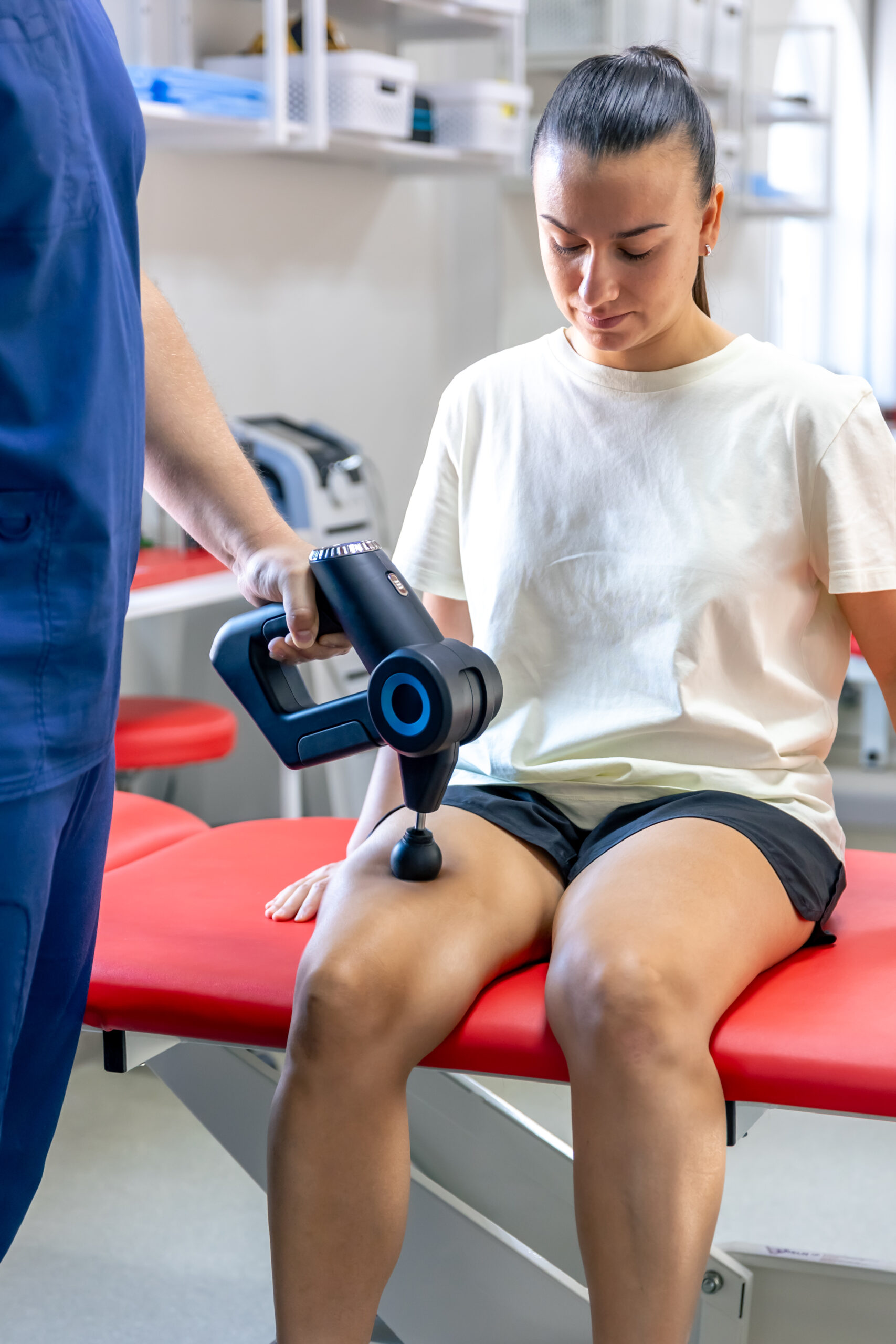
Revision Hip Replacement Surgery
Most modern hip replacement implants are designed to last for many years, and in many cases, patients can expect their artificial hip joint to function effectively for 15 years or longer. Many individuals are able to return to their normal lifestyle and daily activities after total hip replacement surgery. However, in some cases, a revision hip replacement surgery may become necessary over time.
Revision hip replacement is more commonly required in younger or highly active patients, as increased physical activity can place additional stress on the artificial joint and lead to gradual wear of the implant components.
Pre-Operative Evaluation for Hip Revision Surgery
Before performing a revision hip replacement procedure, the orthopedic specialist conducts a comprehensive evaluation to assess the condition of the existing implant and surrounding bone structures.
Advanced imaging tests may include:
- Specialized X-rays
- CT scans
- MRI scans
These investigations help determine:
- The extent of bone loss around the implant
- The exact position and stability of the prosthetic components
- Wear, loosening, or damage to the artificial joint
- The relationship between the implant and surrounding tissues
If the doctor suspects an infection around the artificial hip joint, additional diagnostic procedures such as joint aspiration (fluid sample testing) may be recommended before surgery.
Importance of Post-Surgical Follow-Up
Patients who undergo hip revision surgery require regular follow-up examinations to monitor implant function, bone health, and signs of infection or implant failure.
Routine assessments may include:
- Physical examinations
- Periodic X-rays
- Mobility evaluations
- Implant stability monitoring
Timely diagnosis of complications can help prevent further damage and improve long-term outcomes. Patients are also advised to follow all post-operative precautions carefully to reduce the risk of hip dislocation and infection.
In some cases, doctors may recommend antibiotics before certain dental or surgical procedures to minimize the risk of infection spreading to the artificial joint.
Challenges in Revision Hip Replacement Surgery
Revision hip replacement surgery is generally more complex than the initial hip replacement procedure. During the operation, the surgeon may need to remove or replace one or more components of the artificial hip joint.
While some parts of the implant can be replaced without significant bone removal, replacing metal components attached directly to the bone may result in bone loss. Additionally, surrounding muscles and soft tissues may already be weakened from previous surgeries or underlying joint damage.
As a result, patients may experience:
- Reduced muscle strength
- Limited mobility
- Longer recovery time
- Increased surgical complexity
Unlike primary hip replacement surgery, revision procedures often require more detailed planning, specialized surgical techniques, and extended rehabilitation.
An experienced Revision Hip Replacement Surgeon carefully evaluates each case to determine the safest and most effective treatment approach.
At clinic, personalized care and advanced orthopedic treatment options are provided to help patients regain mobility, reduce pain, and improve long-term joint function after revision hip surgery.
Hip Revision
Introduction
Total Hip Replacement Surgery
Total hip replacement surgery is commonly recommended to relieve chronic hip pain, restore mobility, and improve a patient’s overall quality of life. The procedure is generally advised for individuals suffering from severe hip arthritis, joint damage, fractures, or conditions that significantly affect daily movement and comfort.
The hip joint functions as a “ball-and-socket” mechanism, where the rounded head of the thigh bone fits into the pelvic socket. During total hip replacement surgery, the damaged portions of the hip joint are replaced with artificial components known as prostheses.
These prosthetic components are specially designed to mimic the natural movement of the hip joint and typically consist of:
- A ball component that replaces the damaged head of the thigh bone
- A socket component that replaces the worn-out hip socket
The artificial joint helps restore smoother movement, reduce pain, and improve long-term joint function. Modern hip replacement implants are designed for durability and can support normal mobility for many years when properly maintained.
Like any mechanical implant or surgical procedure, total hip replacement may occasionally face complications over time, including wear and tear, loosening of components, infection, or biological failure. In such situations, additional treatment may be required to address the underlying issue and restore proper joint function.
Revision Hip Replacement Surgery
If a previous hip replacement becomes damaged, unstable, infected, or fails to function properly, a revision hip replacement surgery may be recommended. This procedure involves replacing or repairing the existing artificial hip components to improve stability, reduce pain, and restore mobility.
An experienced Hip Replacement Surgeon carefully evaluates the condition of the implant and surrounding bone before planning the most suitable revision procedure.
At clinic, advanced surgical techniques and personalized treatment approaches are used to help patients achieve better mobility, comfort, and long-term joint health.
If you shouldn’t get a new hip, why are you even considering getting one?
Revision Hip Replacement Surgery
Most modern hip replacement implants are designed to last for many years, and in many cases, patients can expect their artificial hip joint to function effectively for 15 years or longer. Many individuals are able to return to their normal lifestyle and daily activities after total hip replacement surgery. However, in some cases, a revision hip replacement surgery may become necessary over time.
Revision hip replacement is more commonly required in younger or highly active patients, as increased physical activity can place additional stress on the artificial joint and lead to gradual wear of the implant components.
Pre-Operative Evaluation for Hip Revision Surgery
Before performing a revision hip replacement procedure, the orthopedic specialist conducts a comprehensive evaluation to assess the condition of the existing implant and surrounding bone structures.
Advanced imaging tests may include:
- Specialized X-rays
- CT scans
- MRI scans
These investigations help determine:
- The extent of bone loss around the implant
- The exact position and stability of the prosthetic components
- Wear, loosening, or damage to the artificial joint
- The relationship between the implant and surrounding tissues
If the doctor suspects an infection around the artificial hip joint, additional diagnostic procedures such as joint aspiration (fluid sample testing) may be recommended before surgery.
Importance of Post-Surgical Follow-Up
Patients who undergo hip revision surgery require regular follow-up examinations to monitor implant function, bone health, and signs of infection or implant failure.
Routine assessments may include:
- Physical examinations
- Periodic X-rays
- Mobility evaluations
- Implant stability monitoring
Timely diagnosis of complications can help prevent further damage and improve long-term outcomes. Patients are also advised to follow all post-operative precautions carefully to reduce the risk of hip dislocation and infection.
In some cases, doctors may recommend antibiotics before certain dental or surgical procedures to minimize the risk of infection spreading to the artificial joint.
Challenges in Revision Hip Replacement Surgery
Revision hip replacement surgery is generally more complex than the initial hip replacement procedure. During the operation, the surgeon may need to remove or replace one or more components of the artificial hip joint.
While some parts of the implant can be replaced without significant bone removal, replacing metal components attached directly to the bone may result in bone loss. Additionally, surrounding muscles and soft tissues may already be weakened from previous surgeries or underlying joint damage.
As a result, patients may experience:
- Reduced muscle strength
- Limited mobility
- Longer recovery time
- Increased surgical complexity
Unlike primary hip replacement surgery, revision procedures often require more detailed planning, specialized surgical techniques, and extended rehabilitation.
An experienced Revision Hip Replacement Surgeon carefully evaluates each case to determine the safest and most effective treatment approach.
At clinic, personalized care and advanced orthopedic treatment options are provided to help patients regain mobility, reduce pain, and improve long-term joint function after revision hip surgery.