
Shoulder Arthroscopy
The term “arthroscopy” is derived from Greek words — arthro meaning “joint” and skopein meaning “to look” — referring to the process of viewing the inside of a joint.
Shoulder arthroscopy has been widely used since the 1970s and has become a preferred surgical technique due to its minimally invasive nature, faster recovery time, reduced pain, and smaller scars compared to traditional surgery. In many cases, the procedure is performed as a daycare surgery, allowing patients to return home on the same day.
This advanced technique is commonly used to treat conditions such as rotator cuff injuries, shoulder instability, labral tears, frozen shoulder, impingement syndrome, and damaged cartilage.
When considering shoulder arthroscopy treatment, it is important to choose an experienced orthopaedic specialist and a trusted healthcare facility to ensure accurate diagnosis, safe treatment, and effective recovery outcomes.
When is Shoulder Arthroscopy recommended?
Shoulder arthroscopy is a surgical procedure generally recommended when non-surgical treatments such as medications, physiotherapy, rest, and injections no longer provide adequate relief. It is commonly performed in severe or persistent shoulder conditions, including recurrent shoulder dislocations, rotator cuff injuries, and other complex joint problems.
This minimally invasive procedure is highly effective in diagnosing and treating chronic shoulder inflammation, repairing torn tissues, and managing partial or complete ligament injuries. Shoulder arthroscopy can also be used to repair or remove damaged portions of the labrum, which is the cartilage surrounding the shoulder socket that helps stabilize the joint.
In addition, shoulder arthroscopy treatment may help relieve pressure on compressed nerves, treat shoulder impingement, and assist in the repair of certain fractures and damaged joint structures.
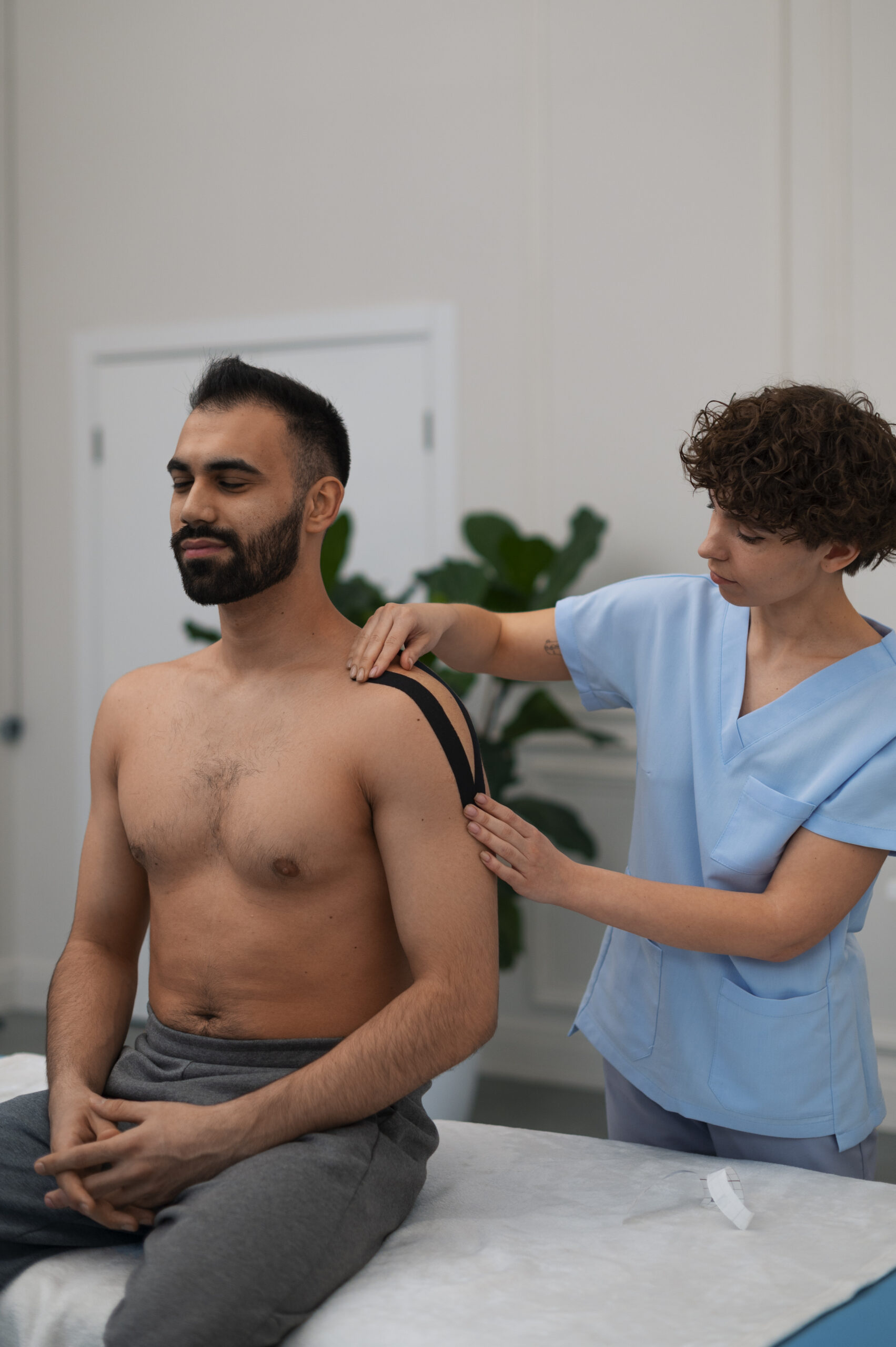
Preparatory Steps for Shoulder Arthroscopy
Shoulder arthroscopy is typically performed by experienced orthopaedic surgeons who carefully evaluate the patient’s condition before surgery. Proper preparation plays an important role in ensuring a safe procedure and smooth recovery.
The preparatory process may include the following:
- A detailed physical examination and review of the patient’s medical history
- Imaging tests such as X-rays, MRI scans, or CT scans to assess the extent of shoulder damage
- Blood tests and other routine investigations to ensure the patient is fit for surgery
- Discussion about current medications, allergies, and existing medical conditions
- Instructions regarding fasting before surgery and temporary discontinuation of certain medications if required
- Pre-operative consultation to explain the procedure, expected recovery timeline, and post-surgical rehabilitation plan
Following these preparatory guidelines helps improve surgical outcomes and supports faster recovery after shoulder arthroscopy treatment.
Complete health check-up
Pre-Surgical Evaluation
Before proceeding with shoulder arthroscopy, the surgeon usually recommends a complete medical evaluation to assess the patient’s overall health and ensure they are fit for surgery. These tests may be conducted at the hospital or through your regular physician.
The evaluation typically includes checking important health parameters such as body weight, blood pressure, blood sugar levels, heart health, and other existing medical conditions. Routine investigations like blood tests, ECG (electrocardiogram), and other diagnostic tests may also be advised depending on the patient’s age and medical history.
Based on the test results, the surgeon and medical team will determine whether it is safe to proceed with the surgery. If any significant health concerns or abnormal findings are detected, the procedure may be postponed until the condition is properly managed.
Admission and IV Monitoring
Before the surgery, patients are admitted under the supervision of trained nursing staff. Intravenous (IV) fluids may be administered to maintain hydration and support medication delivery during the procedure.
During this period, vital signs such as blood pressure, pulse rate, oxygen levels, and body temperature are monitored regularly to ensure the patient remains stable. Dietary restrictions are also followed, and the doctor may conduct routine evaluations before surgery.
Patients should inform their doctor about any medications, supplements, or herbal products they are currently taking, as some substances may interfere with the surgery or anaesthesia.
Anaesthesia Administration
Anaesthesia is an important part of shoulder arthroscopy and is administered under the supervision of experienced anaesthesiologists. Before giving anaesthesia, the medical team carefully monitors the patient’s heart rate, blood pressure, oxygen levels, and overall condition.
Depending on the patient’s health status and the complexity of the procedure, different types of anaesthesia may be used, including:
- General Anaesthesia – The patient remains fully asleep during the surgery
- Regional Anaesthesia – Only the shoulder and surrounding area are numbed
- Local Anaesthesia – Used in selected minor procedures to numb a specific area
The type of anaesthesia is selected to ensure maximum comfort, safety, and pain control throughout the procedure.